
Email Marketing Do's and Don'ts That Actually Move the Needle
3 August 20263 min read
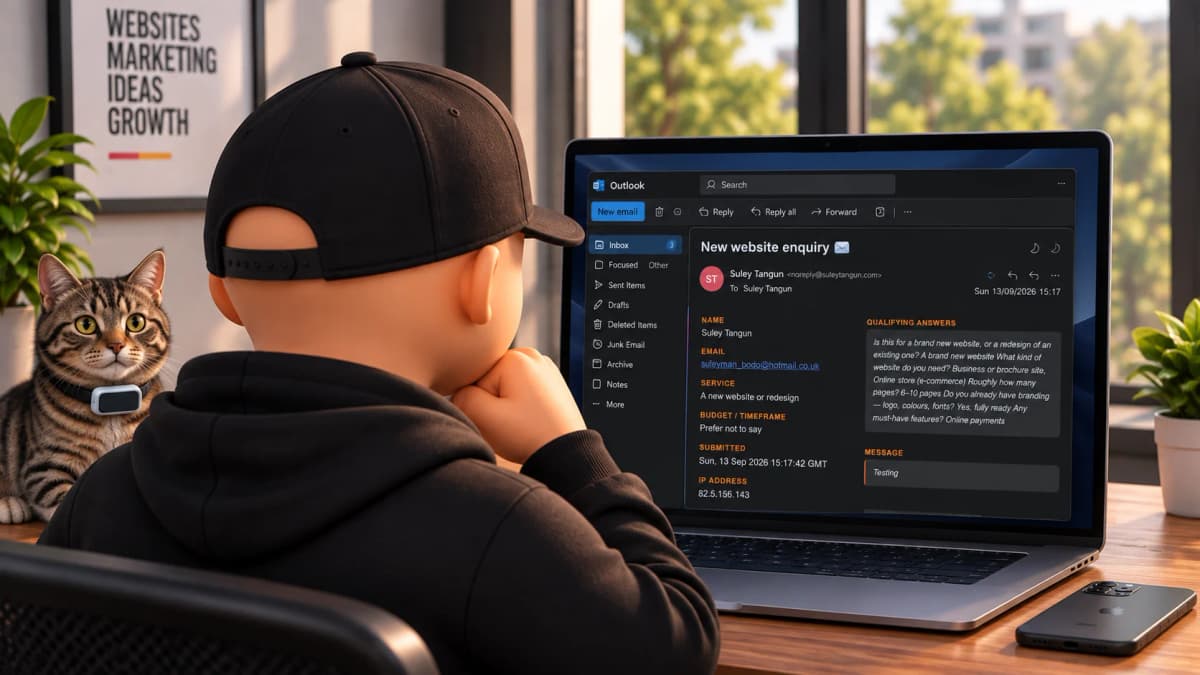
Email is still one of the highest-return channels available to a small business, and also one of the easiest to quietly ruin without realising it. A handful of habits separate lists that perform from lists that slowly die in spam folders.
Do: warm up a new sending domain slowly
If you're setting up email marketing for the first time, don't blast your entire list on day one. Start with a smaller, more engaged segment and build volume over a couple of weeks. Mailbox providers judge a new sender partly on how it behaves early on, and a sudden spike in volume from an unfamiliar domain is a classic spam signal.
Don't: buy a list, ever
Purchased lists almost always perform badly and often breach data protection rules, since the people on them never actually consented to hear from you specifically. Beyond the legal risk, a high bounce and complaint rate from a bought list can damage your sender reputation for months, affecting emails to people who genuinely did sign up.
Do: make unsubscribing easy
Counterintuitive, but true: a visible, one-click unsubscribe link improves deliverability. People who can't easily leave your list mark you as spam instead, which hurts you with every mailbox provider far more than a clean unsubscribe ever would.
Don't: send from a "noreply" address
It signals you don't want to hear back, and it quietly tells mailbox providers the same thing. A real, monitored address (even a generic one) improves both trust and reply rates, and replies are one of the strongest positive signals for future deliverability.
Do: segment before you send
A single email to your entire list, regardless of what they've bought or clicked before, is the single biggest reason open rates plateau. Even basic segmentation — new subscribers vs existing customers, for instance — usually lifts performance noticeably with very little extra setup work.
Don't: obsess over subject line length
There's a lot of outdated advice floating around about exact character counts. Modern inboxes render subject lines differently across devices anyway, so the more useful question is simply: does it sound like a person wrote it, or like a marketing template? Specificity beats cleverness almost every time.
Email isn't the only channel worth getting right — if you're also weighing up organic vs paid social media, it's worth a read before you split your budget.
Good email marketing is mostly consistency and hygiene, not a single clever trick. If you want a hand setting up a system that actually gets read rather than deleted, that's something I build — get in touch to talk through it.
Recommended platforms
Frequently asked questions
Latest work
View all projects
Found this useful? Let's talk about yours.
Tell me about your project and I'll come back with an honest recommendation, timeline and cost — no obligation.